The Government Suddenly Cares About Workplace AI Surveillance. What Took So Long?

By the time regulators showed up, the practice they're regulating had already become normal for most of the workforce.
The Government Suddenly Cares About Workplace AI Surveillance. What Took So Long?

Stories from the Edge

By the time regulators showed up, the practice they're regulating had already become normal for most of the workforce.

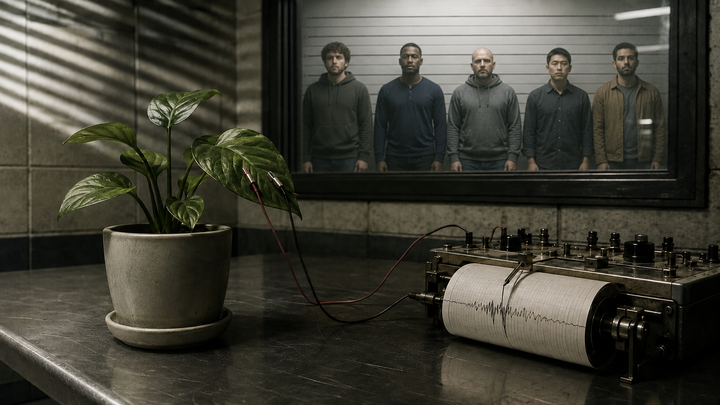
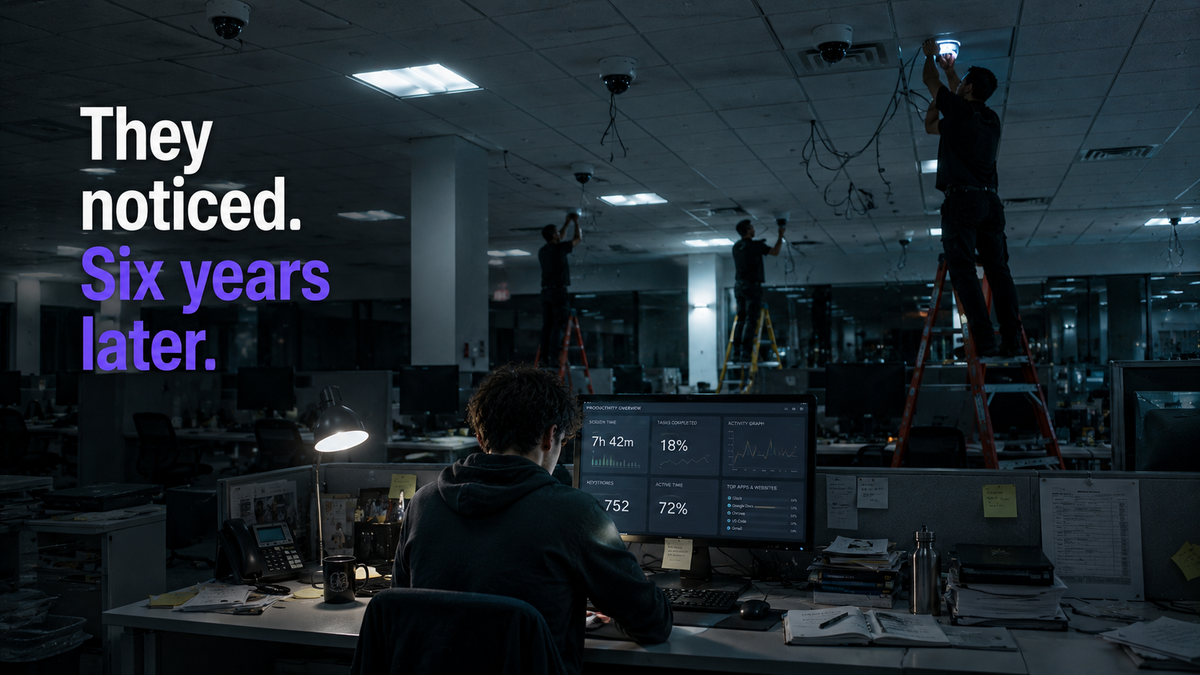
U.S. regulators have started cracking down on workplace surveillance, specifically targeting the "black box" AI-driven monitoring tools that have quietly become standard at a majority of large employers — systems that track keystrokes, facial expressions, tone of voice, and behavioral patterns with little to no transparency into how the resulting scores get used. This is, on its face, good news. It's also worth asking the less comfortable question: why is this intervention arriving only now, after the practice already reached more than 70% of large employers, rather than at any point during the six years it took to get there?

Regulation as the Last Responder, Not the First

This sequencing isn't an accident specific to workplace surveillance. It's close to the default pattern for how new technological harms get addressed in almost every domain: a practice spreads quietly, company by company, justified each time as a minor operational improvement too small to warrant public debate. By the time it's widespread enough to draw regulatory attention, it's also widespread enough that intervening feels, to the institutions being regulated, like an attack on settled, normal business practice rather than a correction of something that should have been questioned from the start. The cost of being early to flag a problem is social — you look paranoid, alarmist, anti-innovation. The cost of being late is borne almost entirely by the people who spent six years being monitored before anyone official said a word about it.

By the time a regulator finally objects, the people most affected by the practice have already adjusted their entire working lives around it. The intervention helps the next worker. It rarely undoes what already happened to this one.

Who Actually Did the Early Warning Work

It's worth being honest about where the actual early pushback came from, because it wasn't from the institutions now taking credit for addressing the problem. It came from individual workers describing their own experience on forums and in interviews, from labor researchers tracking the spread of algorithmic management years before it had a catchy name, and from advocacy organizations filing complaints long before any agency issued formal guidance. The regulatory response, when it finally arrived, was downstream of years of unglamorous documentation work done by people with far less power than the agencies now acting on it.

The Gap Between "Addressed" and "Undone"

New guidance restricting black-box monitoring going forward does very little for the worker who was already denied a promotion based on a keystroke-pattern score they never saw, or the worker already deactivated by an opaque algorithmic decision they had no real path to appeal. Regulation, even good regulation, is almost always prospective — it changes what happens next, not what already happened. This is worth remembering specifically because the language of "the government is finally addressing this" can quietly imply a correction has occurred, when in most cases what's actually occurred is a boundary being drawn going forward, with the accumulated harm up to that point simply absorbed by the people who lived through it.

Why "What Took So Long" Is the Useful Question

Asking why intervention took six years isn't really about assigning blame to any one regulator. It's about noticing the actual mechanism that produces the delay, because that mechanism will produce the exact same delay on the next practice, and the one after that. Technology gets cheaper and spreads faster than institutions can debate its implications. The debate that should happen before widespread adoption instead happens after, when the practice already has the institutional momentum of being normal. Recognizing that pattern doesn't fix it, but it does mean the next time something new and slightly invasive starts spreading quietly through workplaces — and something always is — the appropriate response is to ask the hard questions immediately, rather than waiting for the seven-in-ten threshold to make asking feel urgent.


So: what's currently spreading through your own workplace right now, quietly, justified as a minor improvement, that nobody official has flagged yet — and are you going to wait six years to find out whether it was ever actually fine?

Subscribe now — make a bold move