
Seven Batches In, the Pentagon's UFO Files Still Don't Say Where
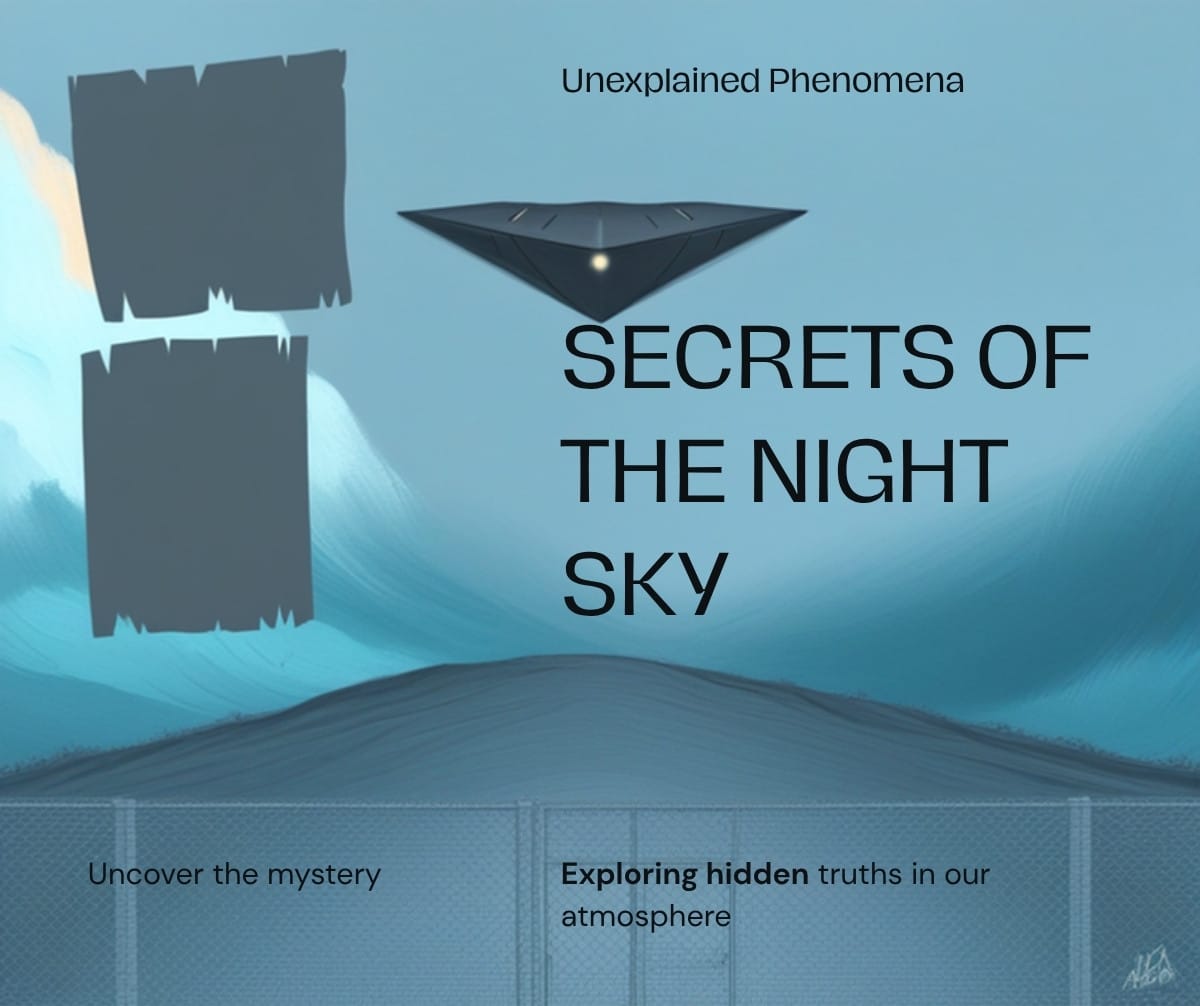
On Friday, October 23, the Defense Department released the seventh batch of declassified UAP records under the White House's PURSUE program. Ten files. Among them, an FBI and Pentagon account of federal agents watching a silent, matte-black triangle rise over a ridgeline near a secure U.S. facility, hover, cross roughly a mile and a half in three seconds, and vanish. The date and the location are redacted. That detail is the story: a government that says it is practicing "maximum transparency" has now published seven rounds of material, and the one fact that would let anyone test a claim is still blacked out.
What was actually released
PURSUE, the Presidential Unsealing and Reporting System for UAP Encounters, is an interagency effort led by the White House with the Director of National Intelligence, the Energy Department, NASA, the FBI and the Pentagon. The first batch landed on May 8 with 162 files, posted at War.gov/ufo on a rolling basis. No clearance is required to read them.
The seventh batch follows the same pattern. Alongside the triangle report, it includes records going back to the 1940s, a 2010 report concerning Utah's Skinwalker Ranch, and documents on how NASA and the Pentagon would handle suspected fragments of space vehicles. The previous batch, on September 18, carried 1952 footage of objects filmed near Tremonton, Utah, cellphone video from a Colorado law-enforcement officer, and Defense Intelligence Agency papers tied to the 2008 Advanced Aerospace Weapon System Applications Program.
The official framing is careful. Cases are labeled "unresolved" because investigators lacked enough information to identify them, and officials stress that this does not link anything to extraterrestrial activity. The Pentagon has also said that while every file was reviewed for security, many "have not yet been analyzed."
Release is not the same as disclosure
Read that last point again. The government is publishing files it has not finished analyzing, under a label, "unresolved," that describes the state of its own homework rather than the nature of the object. The public is told it can "make up their own minds." It can, but only with the material it is given, and a sighting with no date and no place cannot be cross-checked against flight logs, weather, test schedules or anyone else's account.
That matters because the triangle report is not an outlier in kind. A separate account in an earlier PURSUE tranche, released in August, described two service members, names redacted, who called themselves "dumbfounded" by a massive black triangle with car-sized lights at each corner and a low mechanical hum. It is eyewitness testimony, not a verified measurement. Same shape, same silence, same blank where the context should be.
Redaction is legitimate where it protects sources, methods or a facility's location. But a secure facility is exactly the kind of place where the ordinary explanations are also classified: experimental aircraft, drones, sensors, test ranges. The redaction that protects the site also protects the mundane answer, and the extraordinary one, equally. The reader cannot tell which.
The older fight over the same paper
The slow pace of PURSUE sits next to a quieter story about how much of this material was withheld in the first place. In May, the Disclosure Foundation published roughly 334 pages of historical NSA records on UAP, many marked TOP SECRET UMBRA, after the NSA's own appeals authority acknowledged that its blanket denial of a FOIA request was improper. The request sought the material behind a 1980 memo the agency had submitted in earlier litigation.
The pages are fragmentary and heavily redacted. By the Foundation's account, they reference radar tracking, altitude and heading data, silent movement and erratic maneuvers, and at least eight entries describe fighters scrambled to intercept UFOs, one involving 13 MiG fighters chasing a single object. The Foundation itself concedes the release does not prove a non-human origin. NSA, meanwhile, still asserts exemptions over UAP material dating to the 1960s, and the Foundation says it plans to challenge them.
Put the two side by side. One release came voluntarily, on a schedule the executive branch controls. The other came only after a denial was appealed and found improper. Both end in redactions, and in neither case does the public get to review what was cut.
The politics of a slow drip
The rolling format keeps the subject in the news without ever resolving it. A small group of Republicans in Congress has accused the Pentagon of withholding documents; Rep. Anna Paulina Luna's March letter demanded 46 videos identified by whistleblowers, which she says are expected in a later release. Rep. Tim Burchett has praised the president for keeping his word while saying transparency will take time. Earlier document dumps on the JFK, RFK and MLK assassinations revealed little beyond what was already known, a precedent the UAP releases have yet to break.
None of this requires a hidden-hand theory. A drip release is also what a bureaucracy does when it is protecting equities, managing embarrassment and avoiding precedent. The practical effect is the same either way: the public gets texture, not testability.
What would change the picture
A few things would turn publication into disclosure: dates and locations released for at least some cases, the whistleblower videos Congress asked for, and a finished analysis rather than a pile of "unresolved" labels. Until then, seven batches amount to an archive and not an answer.
A pilot, a drone operator, two service members and a handful of federal agents have each said they saw something they could not name. The government has now put those statements on a website. It has not told us when or where, and it has not said whether it knows.
Sources
- Federal agents reported seeing silent black triangle in latest UFO file release (WPDE)
- Pentagon publishes UFO file collection online, tells public to make up their own minds (KTLA)
- US Servicemembers Left 'Dumbfounded' by 'Low Humming' Black Triangle Craft (IBTimes UK)
- NSA Releases Hundreds of Pages of Formerly Top Secret UMBRA UAP Records After Disclosure Foundation FOIA Appeal (Disclosure Foundation)

Comments ()