100 Unidentified Objects Surrounded a US Navy Ship. The Pentagon Wrote 14 Pages.

This week, the Pentagon confirmed approximately 100 airborne unidentified objects plus two uncrewed surface vessels near US Navy assets off the Virginia coast. The annual report covering it is 14 pages. It covers 202 unresolved sightings.
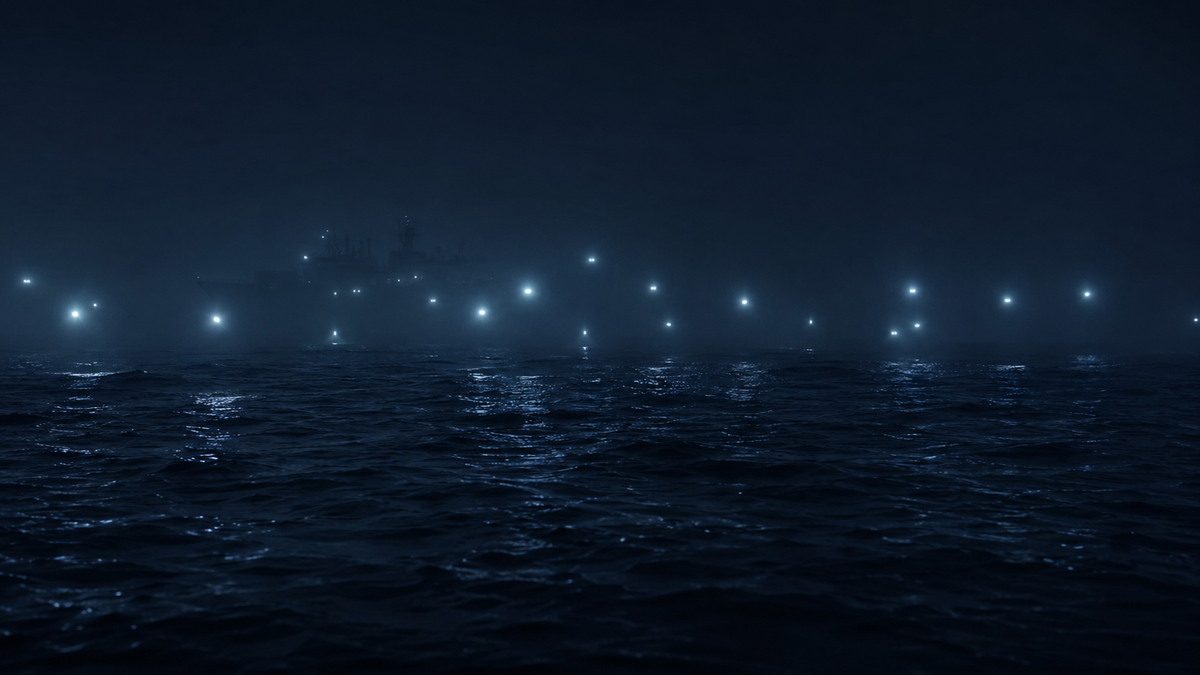
100 Unidentified Objects Surrounded a US Navy Ship. The Pentagon Wrote 14 Pages.

Boondock Rebel

This week, the Pentagon confirmed that approximately 100 airborne unidentified objects — plus two uncrewed surface vessels — were reported in a swarm event off the Virginia coast. It made the annual report. The annual report is 14 pages long and covers 202 unresolved sightings. Do the math on how much space each case gets.

The All-domain Anomaly Resolution Office — AARO, the Pentagon's official UAP investigation body — released its FY2025 annual report this week. It is 14 pages. It covers 202 unresolved UAP sightings. That works out to slightly less than one paragraph per case, if you distribute the space evenly. In practice, some cases get more. Most get less. The Virginia swarm event — approximately 100 airborne unidentified objects and two uncrewed surface vessels operating near US Navy assets off the Virginia coast — is described and then, in the way that official reports handle things that have no good answer, moved past. No resolution. No identification. No threat attribution. The Pentagon is investigating.

Let that sit for a moment. One hundred objects. Two surface vessels. Operating near US Navy assets off the East Coast of the United States. The Pentagon confirmed the event exists. The Pentagon is investigating the event. The annual report of the office created specifically to investigate these events describes it and has no further information to add. That is the current state of things, on record, in a government document.

What the Report Actually Says

The AARO FY2025 annual report covers the full spectrum of unresolved anomalous phenomena reported by US military, intelligence, and government personnel over the fiscal year. Of 202 cases documented in the report, none have been conclusively identified. The range of what "unresolved" means varies considerably — some cases have probably mundane explanations that couldn't be confirmed with available data; some are genuinely anomalous by any reasonable standard; and the Virginia swarm sits somewhere in a category that the report declines to name. A swarm of approximately 100 airborne objects operating with two coordinated surface vessels near active Navy assets is not an ambiguous weather balloon. It is an event with operational implications that the Pentagon has chosen to characterize as "under investigation."

The surface vessels are worth pausing on. The reporting on this event has focused on the airborne component — the hundred-odd objects in the air — but the two uncrewed surface systems that were part of the same event represent a separate category of anomaly. Uncrewed surface vessels operating in coordinated proximity to military assets, without attribution to any known program or nation, is not a UAP in the traditional sense of the term. It is a maritime incursion with no identified origin. The Pentagon's statement confirms both the air and surface components of the event.

The Number That Gets Less Attention

202. That is the number of unresolved UAP sightings in the FY2025 annual report. To understand what that number means in context, AARO's total reported and unresolved case count has grown every year since the office was established. The 2022 historical report found 510 unresolved cases going back decades. The annual numbers since have added to that pile steadily. The cases are not being resolved faster than they are being reported. The pile is getting larger, not smaller, and the resources available to investigate — while expanded since the early days of AATIP — remain modest relative to the volume of credentialed reports coming in. A 202-case annual count with 14 pages of reporting averages approximately 1.1 unresolved anomalous events per week, reported by US government personnel, with no explanation provided.

A 14-page report covering 202 unresolved cases involving Navy vessels and unidentified objects is not a disclosure. It is a filing. There is a difference.

Why the Virginia Swarm Is Different

Most UAP reports involve single objects, brief encounters, and sensor data that is ambiguous by nature — radar returns without visual confirmation, visual sightings without sensor corroboration, infrared readings that could be explained several ways. The Virginia event is different in scale. Approximately 100 simultaneous airborne contacts coordinated with surface vessel activity represents a level of operational complexity that rules out most of the explanations that get applied to simpler cases. A weather balloon doesn't swarm. A sensor glitch doesn't produce two coordinated surface vessels. Whatever produced the Virginia event operated with some degree of organization. The report confirms the event. It does not say what organized it.

It is also worth noting the location. The waters off the Virginia coast are among the most heavily monitored in the world. Naval Station Norfolk — the largest naval base on the planet — sits on that coast. The waters nearby are routinely patrolled, monitored by multiple sensor systems, and host regular naval exercises. If something can operate in a swarm of 100 objects plus surface vessels in those waters, without identification or interdiction, the implications for what can operate in less-monitored waters require no further elaboration.

What AARO Is and Isn't

AARO was established in 2022 as the successor to earlier UAP investigation programs, with a mandate to serve as the central hub for UAP reporting across military, intelligence, and government agencies. It has a budget, a director, and a formal reporting obligation to Congress. What it does not have — as evidenced by a 14-page annual report on 202 unresolved cases — is the ability to explain what the cases represent. That is not a criticism of the office; some of the cases may genuinely be unexplainable with available tools and data. But the Virginia event tests the limits of what "under investigation" can credibly mean when the event involves a hundred simultaneous contacts near the world's largest naval base, and the investigation has produced a paragraph in a quarterly report.


One hundred objects. Two surface vessels. Off Virginia. In the most monitored waters in the world. The Pentagon confirmed it. AARO filed it. Fourteen pages covers 202 cases. At some point, the filing is the story.

— The Signal

Sources:

You might also like